

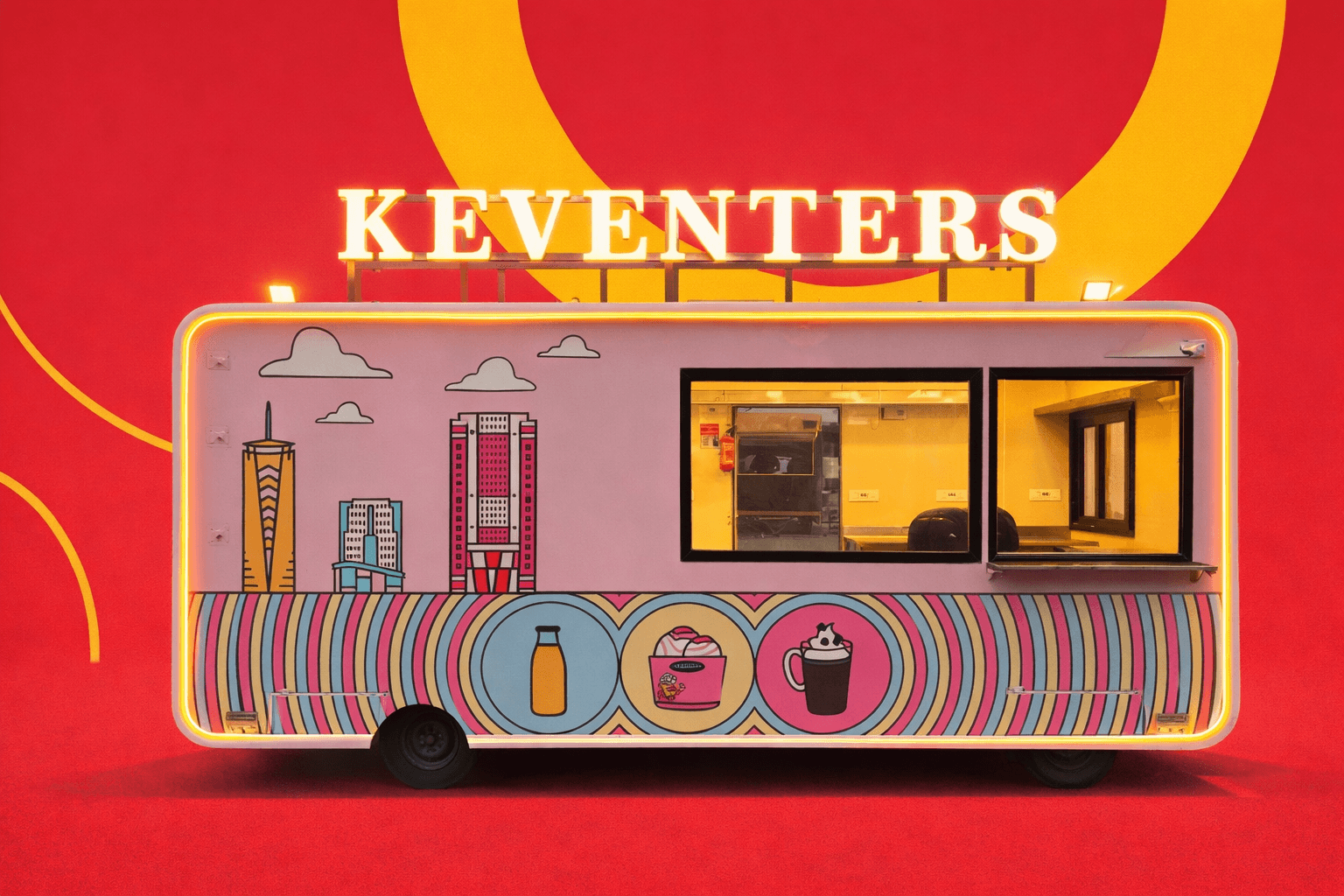
Building a food truck business in India has its own merits. It has the potential to bring in a good profit and requires a much smaller investment relative to starting a restaurant. It offers the flexibility to take the business to where the customers are. That’s why it has become the popular choice among first-time entrepreneurs. It has attracted IT professionals and home-cooks ready to set up shop.
There are challenges that must be faced and obstacles that must be overcome in order to build a successful food truck business. For example, starting a food truck in India doesn’t mean you can buy a truck and hit the streets serving food. There are many licenses that you must obtain to operate your food truck legally. Many decisions must be made to help avoid future challenges. Many times, spooling back on mistakes made is an onerous task that can take up to a year.
In this guide, the obstacles that must be faced and the challenges that must be overcome are fully outlined and organized in chronological order so you know what to do and when. There is no extraneous information, and you won’t have to worry about theories that help you little to nothing. What you can expect is a clear, actionable guide that, should you choose, gets you operating your food truck in India in 2026.
Making your dreams of starting a food truck business in India a reality entails more than simply obtaining a truck and driving it around. The steps required to accomplish this task need to be performed in a specific order to mitigate potential issues and loss of time and resources. This guide highlights the entire process in 10 steps, from the first inklings of an idea to your food truck being fully operational.
This guide highlights the following:
1. Concept and Planning
2. Budget and Investment
3. Choosing the Right Vehicle
4. Licenses and Permits
5. Menu Design
6. Location Strategy
7. Team and Operations
8. Marketing Your Food Truck
9. Your First Ninety Days
10. Scaling and What Comes Next
Step 1: Get Your Concept Locked in Before You Spend a Dime
Many people get very excited about the process and end up skipping this step. It is very important to keep in mind that you cannot lay out a food truck, or plan out your target market or location, or determine the basic food truck size and equipment you need to be profitable, unless you have the concept fully in mind. Be as specific as you can when you answer the following: do you want to serve coffee? Homemade momos and rolls? Grilled sandwiches? Specialty South Indian breakfast? Biryani?
A food truck that serves everything is not nearly as focused and is therefore unlikely to be nearly as successful as the food truck that serves one or several of the options listed above. Think about how you will define your profitability: Where will you serve? Who will your ideal customer be? What will you be serving? Please keep this to a maximum of two pages in a very basic plan. This will serve as a reference guiding the following steps.
Step Two: Budget for Everything, Not Just the Food Truck
You’ll spend the most money on your food truck build, but that’s just one of many expenses. You need to budget for the cost of licenses and permits, raw materials for your first few weeks, fuel, and a couple of months of operational costs. Food truck operators that struggle the most in the early stages of their business usually suffer from a lack of cash, not a lack of ideas.
Before spending a dime, take the time to accurately estimate your costs for: food truck build, licenses, your first inventory, fuel, and your first marketing efforts. You also need to budget for your personal expenses for the first three months. There is a good chance you will run out of cash if you only budget for the food truck.
Launching a food truck business with an inadequate budget is one of the worst mistakes you can make. When your cash runs out in the early months of operation, you’ll be forced to make decisions to reduce costs, and your business will suffer for it.
Step Three: Build the Right Food Truck
In India, there are three main types of food trucks: a compact, easy to drive, Tata Ace food truck; a food trailer for food truck operators that need more food preparation space and are parking their food truck for a while; and a food truck that is a shipping container for food trucks that need a lot of space and are going to park at a permanent location with a lot of business. You need to consider your team size, the food you plan to sell, and how much you plan to drive your food truck when deciding on the type of build that will work best for you.
The quality of the construction you choose will matter more than you expect as an inexperienced operator. A kitchen with bad design and bad workflow, bad ventilation, and a bad water system will cause friction in the operation that even the best food will not solve. When you consider your options in choosing a construction company, consider how many units they have built, ask if you can see some of the completed builds, and ask if they design, build, and install the equipment themselves. Companies that have built hundreds of units
with different types of cuisine will already know the problems that you have not even identified.
Don’t choose a company because they are the cheapest. Like choosing a cheap truck, a bad company will cost more in repairs and loss of profit in less than six months.
Step 4: Start getting the Permits (Do this as early as possible)
Most people don’t realize how long getting the permits will take. You need to start this process at the same time as you build the truck. The goal is to be ready to go as soon as the build is done.
FSSAI License: All food businesses need to get this. You can apply for this on the FoSCoS portal. The renewal for the FSSAI is done; now you need to pay a fee for compliance and submit the report.
City Specific Urban Trade License/Hawker License: This is what permits you to sell food in a specific location, and you must get this from your city’s Municipal Corporation.
RTO Approval for Vehicle Modification: A truck is a commercially altered vehicle. Modifications need to be cleared by the Regional Transport Office. Your fabricator should be able to help you with the necessary paperwork.
Fire Safety NOC: This is required when you cook using LPG in a confined environment. You will also need a minimum of two ABC-type fire extinguishers on the truck.
GST Registration: This is needed if your business goes over the GST threshold. It will also allow for the input tax credit for purchases.
Step 5: Build a Menu That Works in a Mobile Kitchen
Designing a food truck menu is an entirely different process than a restaurant. Your prep area is smaller, and so is your staff. Space and staff will be tested when serving huge crowds. Your menu has to function with those limitations.
A successful food truck menu has 8-12 items. Items should be easy to prepare, easy to consume, and should also maintain quality when the truck hits peak capacity. Items that work include momos, grilled items, rolls/wraps, biryani bowls, and loaded fries. Specialty coffee/chai and dosas also work. Price the food based on food cost, which should also consider the location. A corporate area will cost more than a college area.
Step 6. Identify Locations & Create a Schedule
Where a food truck is located factors into the business more than any other aspect; the same food truck with the same food options will succeed in some locations and fail in others. Go check out locations you’re interested in during times you plan to work there. Take note of how busy it is, who your competition is, and what permits you’ll need to park there. The most consistent weekday revenue is made from lunch at IT parks and corporate campuses. The lunch rushes are quick, and corporate employees tend to spend more on
meals that are good and convenient.
The corporate campus and IT park zones have loyal crowds and are busy in the evenings, but have a lower ticket size. Food truck parks throughout the week in cities like Bengaluru, Mumbai, Pune, and Delhi are perfect for the weekends. Food trucks are booked for corporate catering and events are busy during the week and have the highest profits. Good corporate catering and event bookings can make more money than a week of food truck business. Getting in contact and having a good relationship with event managers and corporate HR clients is really important.
Having 2 or 3 locations you can rotate through is the most flexible approach. It gives you a weekday location that provides consistent profit for the week, and a weekend location with a higher volume. It prevents a slow day at a location you depend on for profits and expands your clientele over time.
Step 7: Hire and Operate
Your food truck will most likely have two to four employees. These people include a head cook who knows the menu, an assistant to the cook who helps with food prep, a person who handles the bills, and a person who runs the service window. Being fast and consistent with the food you serve is more important than having an extensive knowledge of cooking. Show your employees how to serve the food truck’s menu before the actual opening and simulate service to check how the food truck will perform with the maximum number of orders.
For day-to-day business, a simple tablet POS app will handle cash and orders along with UPI payments to help you avoid the hassle of a manual bill that goes wrong after serving forty orders in a day. Develop a routine that includes an opening and closing list that includes clean up, checks of each food truck apparatus, and checks of the inventory. Develop a list of your suppliers who do not carry your key ingredients and an alternate supplier for each key ingredient. These tasks may seem boring, but they will create the foundation you need to grow your business successfully.
Step 8: Market Pre-Launch, Not Post-Launch
Nothing advertises your food truck business better than a food truck. A food truck that is branded looks different from all the other food trucks. Park your food truck in a busy area to create organic advertising for your business every single day. In the early stages of starting your business, while you are generating your first customers, passive advertising is good enough.
Share your location on Instagram every day using geo-tags and watch how locals discover your food truck business. Build a WhatsApp broadcast list to update and communicate with regulars and keep them in the loop on location, new specials, and food truck events. Have a food truck launch party with a small promo and invite a few local food bloggers. Your food truck business will need to make a good first impression in the new neighborhood. Make a connection to event managers and corporate HR workers. Catering will give you the best profits, and these connections take a long time to establish.
Step 9: The First 90 Days Are a Learning Period
A business on paper is drastically different than a food business in the real world.
Sell-through will determine your best locations and days, and your team will determine the real cost of food, and costs will be measured under the pressures of food service. Take notes on your daily sales, what items sold the most, what sold the least, and food costs overlaying your daily sales, and what your guests paid on average. A daily updated spreadsheet will show you everything you need to know. Be prepared to make changes on the fly. Remove poorly selling menu items. Move your truck from an unprofitable location. Set the right prices to avoid cost and pricing issues from a bad habit. The best part of food trucks is the speed that you can adjust compared to a permanent business.
Step 10: Plan Ahead
Around the six-month mark, if the business is successful, consider your next steps. Do you want a second truck to target a different location or customer segment? Do you want a catering division? Do you want a delivery partnership with Swiggy or Zomato to earn extra revenue, or do you want to use the food truck as a proof of concept to find funding for a permanent location?
Scaling means planning the next steps before the business is pressured to adapt. The food truck industry in India has developed to a point where you can use different paths to run a successful business. It is critical to start with a strong foundation.
Frequently Asked Questions
Q1. How much will it cost to launch a food truck business in India?
Starting a food truck business in India will cost between ₹10 to ₹25 lakh. This pricing takes into consideration the truck design and fabrication, the build-out of a commercial kitchen, branding, licenses, and initial capital. It will be determined by the type of truck you want and the commercial kitchen you want to design and build. You will also need to plan for 2- 3 months of operational costs that will be separate from the build-out costs.
Q2. What is the most important license for food trucks in India?
The FSSAI license is the most important license, but also required is a Municipal trade or hawker permit. This permit will allow you to park your food truck and operate it in your desired location. You will need to complete both applications at the same time, as the municipal trade permit can take longer and can be very different from city to city.
Q3. How long does it take to build a food truck from scratch?
Expect three to five months for a realistic estimate. Wooden food truck fabrication ranges from four to eight weeks. Licensing takes parallel time and is expected to take four to six weeks for base permits. Additionally, allocate time for testing, staffing, and scouting.
Q4. What is the best place to keep a food truck in India?
Lunchtime revenue at IT parks. Evening customers at college campuses. Food truck parks for the weekend: corporate events and catering for the best margins. A food truck operation that travels to two or three locations is better than operating at a single location.
Q5. What is the most popular food truck food in India?
Food that has short preparation and an easy way to eat and has a high profit margin. Some examples are momos, rolls and wraps, grilled food, biryani bowls, fancy coffee, dosas, and loaded fries. In metro cities, menus can include a fusion food concept of twelve items or less.
Q6. Is the food truck business profitable in India?
Considering that there are no fixed rent costs, food trucks can yield net profit margins between twenty and thirty-five percent. The most important things are the quality of the location, being menu-driven, and the business being operationally consistent.
Q7. Does the FSSAI license need to be renewed every year?
No, it does not. FSSAI licenses are now perpetual since March 2026. Now, you pay an annual compliance fee and submit a compliance report, but the license does not expire.
Q8. What are the staffing requirements for running a food truck?
The average food truck operation employs anywhere from 2 to 4 people. Most food trucks operate with a cook, an assistant, and a food handler. Keep your team small, at least when you are starting. It’s difficult to serve a crowd with a team that has too many people.
Q9. Are there food truck restrictions in Mumbai, Delhi, or Bengaluru?
There are no restrictions. Mumbai has a designated Food Truck policy with zoned food trucks. Bengaluru and Pune have a developed food truck park system. Delhi has a developing food truck park system with an informal permit system. Check the local policies for your specific city.
Q10. How many months does it take to break even on a food truck in India?
It takes anywhere from 8 to 14 months to break even based on location and operational efficiency. Food trucks that are located in busy areas, like many of the corporate parks or in the food truck zones, are able to break even in 6 to 10 months. The biggest determinant of the break-even time is how much working capital the business has at the start.